Kategória: Research Blog
Forrás: https://digitalistudastar.ajtk.hu/en/research-blog/withdrawing-from-power-in-a-kazakh-style
Withdrawing from Power in a Kazakh Style
Leaving but Remaining in Power
Szerző: Arzuu Sheranova,
Megjelenés: 04/2019
Reading time: 5 minutes
This year, the world has seen a sudden but planned transfer of power in Kazakhstan. Nursultan Nazarbayev, the longstanding President of the country, resigned, and a new acting president, Kassym-Jomart Tokayev, was appointed until the next elections. However, Nazarbayev continues calling all the shots, so he is likely to decide who will be his eventual successor.
After having ruled for thirty years, the Kazakh President Nursultan Nazarbayev surprisingly resigned on 19 March 2019. The timing was unexpected both in the Kazakhstani society and in neighbouring Central Asian countries. However, as most of the political analysts note, Nazarbayev’s resignation was likely to happen sooner or later. There was already a sign of his abdication early in 2017, when he vetoed a referendum on an amendment to the Constitution of the Republic of Kazakhstan, which was initiated by the Parliament and suggested the prolongation of Nazarbayev’s presidency until 2020.

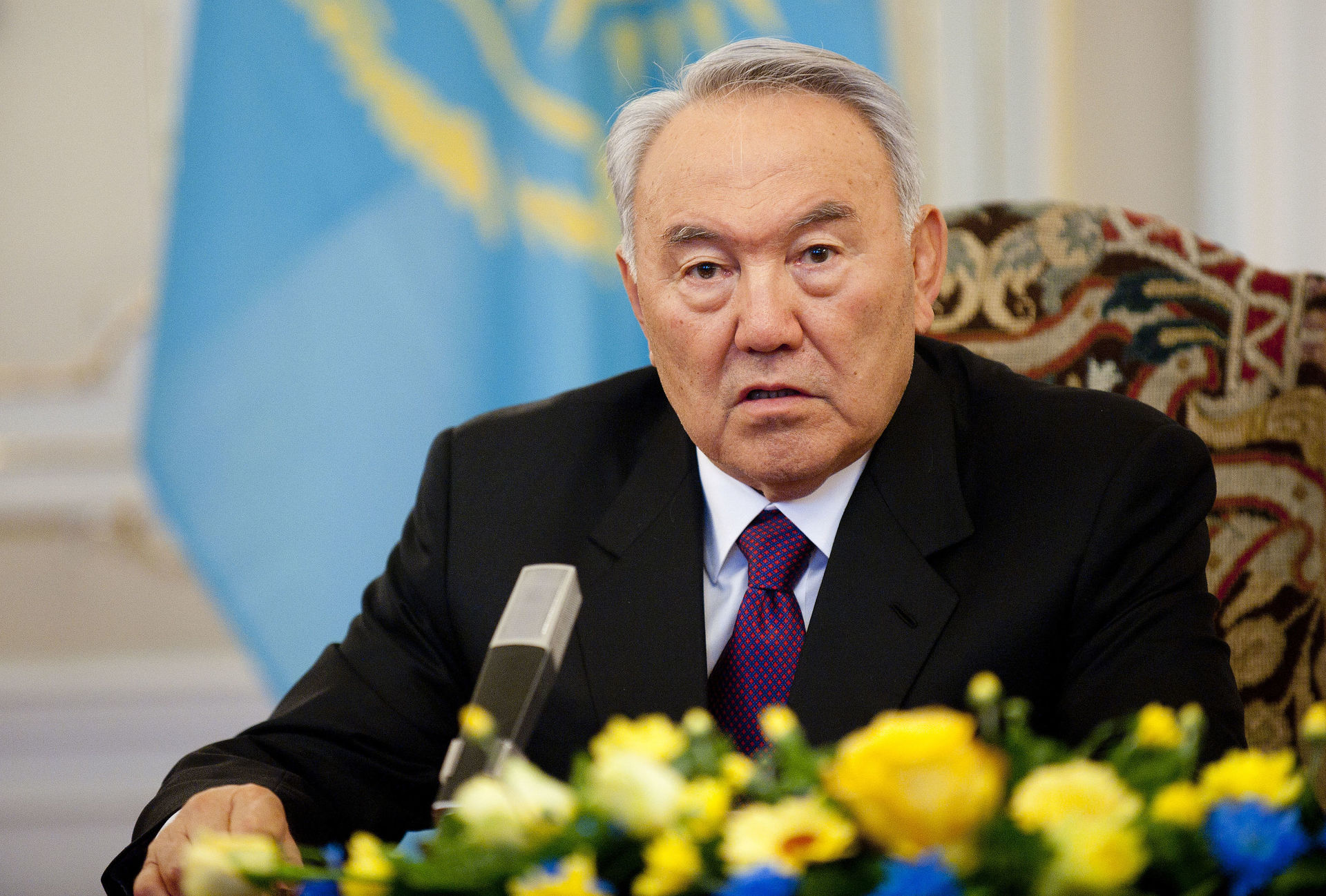
The ex-president, Nursultan Nazarbayev
Source: Shutterstock
The death of the Uzbek leader Islam Karimov in 2016 made Nazarbayev plan about a controlled and smooth transfer of power. For Nazarbayev, it is important to ensure the security and safety of his family members and the economic assets gained during his rule. A lesson learned from Uzbekistan was a prosecution initiated by the Uzbek authorities against Karimov’s family after his sudden death. In 2017, Karimov’s daughter, Gulnara, accused of corruption, violation of customs regulations, and frauds, was sentenced for ten years. Some sources suggest she is currently in jail, while according to others, she is under home arrest. Nazarbayev wanted to prevent that his family members face similar consequences in case of his sudden death.
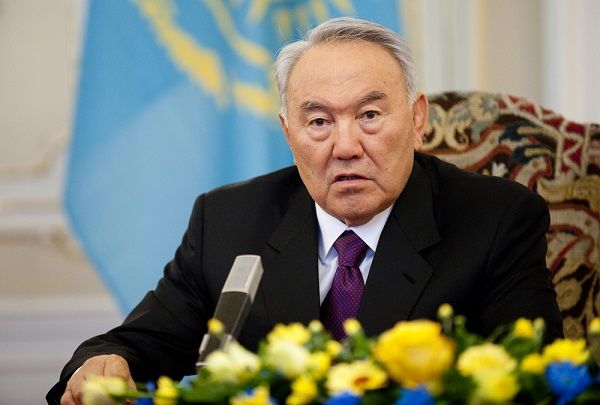
Nursultan Nazarbayev had been the President of Kazakhstan since 1990. Though he resigned, his family may stay in power.
Source: Shutterstock
Security concerns led Nazarbayev to decide on a thoroughly planned partial transfer of power. It is partial because Nazarbayev remains the lifetime head of the Security Council of the Republic of Kazakhstan, the leader of the Nur Otan political party, and a member of the Constitutional Council. In the person of an ex-speaker of the Kazakh Parliament, Kassym-Jomart Tokayev, a new interim president was appointed until presidential elections scheduled for 2020. He is known to be a loyal cadre to Nazarbayev and an old-time confederate. Right after becoming a president, Tokayev signed a decree on renaming the Kazakh capital city Astana to Nur-Sultan and initiated the immortalisation of Nursultan Nazarbayev’s name for the ex-president’s merits in state and nation building in the independent Kazakhstan: all central streets within the country were ordered to be renamed “Nazarbayev Nursultan.” These initiatives were supported by the majority of the Parliament, even though they led to a constitutional breach and resulted in public discontent among Kazakhstanis.
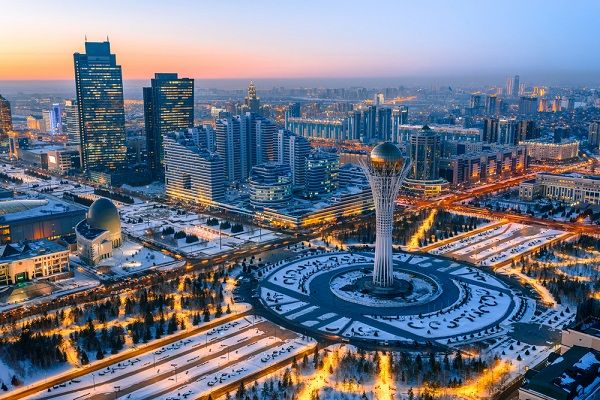
After the resignation, the capital of Kazakhstan was renamed Nur-Sultan.
Source: Shutterstock
Dariga Nazarbayeva, the eldest daughter of the ex-president, became the third most important political figure in Kazakhstan after being elected the new Speaker of the Parliament on 20 March 2019. Dariga Nazarbayeva, along with Nazarbayev’s nephew, Samat Abish, the First Deputy Head of the National Security Committee of Kazakhstan, is listed as a potential successor to Nazarbayev. Thus, de facto, Nazarbayev continues in big politics and remains a game facilitator despite his stepping down. He will closely supervise the presidency of Tokayev and orchestrate presidential elections to secure his political clan’s positions in power after 2020. Political tension between his family members (his daughter and his nephew) might also appear, however, it is less likely that it will actually happen. Apparently, Nazarbayev will insist on having the final word in the nomination of one of his family members for the presidency in order to avoid a tension within his family. Will Nazarbayev entrust the entire leadership to the hands of his delegated kin successor and accomplish full transfer of power to leave big politics after 2020 remains an open question for now.
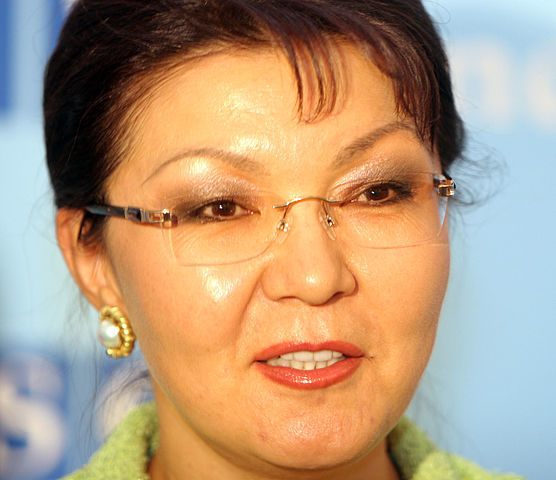
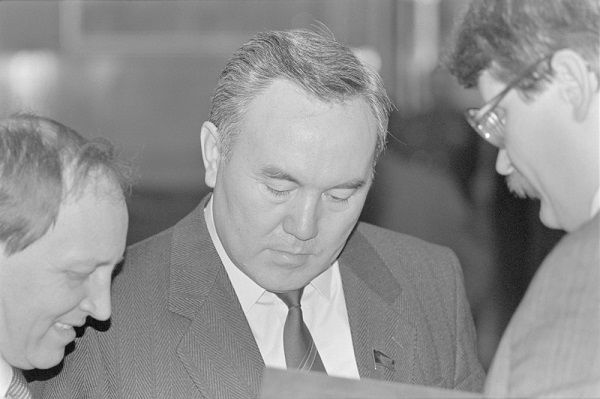
Dariga Nazarbayeva, the eldest daughter of the ex-president
Source: Wikimedia Commons, author: Evstafiev, licence: public domain
2019 was a critical but suitable year for Nazarbayev to leave the presidency. Now, he has one year before the scheduled presidential elections to think about his successor. According to Nazarbayev’s hoped scenario, one of his family members will take the lead. However, there is another possible scenario, according to which Nazarbayev will choose to nominate a cadre loyal to him, and not a family member. The latter set-up will gain prominence if both Dariga and Samat demonstrate their immaturity to take leadership or lose Nazarbayev’s trust. It is less likely that opposition forces will be able to gain the upper hand in presidential elections or shatter the political stability during the transition period because security forces are in Nazarbayev’s hands and react to any sign of unrest. Recent demonstrations in several cities against renaming the capital were followed by harsh detentions on 21 March, the celebration of the Nooruz holiday, and demonstrated once more how much force the repressive regime retains.