Kategória: Research Blog
Forrás: https://digitalistudastar.ajtk.hu/en/research-blog/the-fall-of-chequers-in-salzburg
The fall of Chequers in Salzburg
On the way to the no-deal?
Szerző: Benkovics Petra,
Megjelenés: 10/2018
Reading time: 10 minutes
On 23 June 2016, a referendum was held in the United Kingdom about remaining a member of the European Union or leaving it. The Brits made the decision, small majority – 51,9% – of the eligible voters chose Brexit, the departure of the United Kingdom from the European Union. The UK is due to leave the EU on 29 March 2019, as a result the country will officially lose its EU membership. The next phase of the Brexit negotiations between the EU and Great Britain was held in Salzburg, at the informal meeting of EU Heads of State and Government. But, the Salzburg summit was ineffective as the two parties have still not managed to get closer to the adoption of a formal agreement.
Less than a year after the Brexit referendum, on 29 March 2017 the UK officially announced to the European Council its intention to quit the EU and initiated the procedure of Article 50 of the Lisbon Treaty. With this, the negotiations about Brexit between the EU and the UK has officially begun. On the Brexit talks the EU is represented by Michel Barnier, the European Chief Negotiator for the United Kingdom Exiting the European Union, and the UK is represented by Dominic Raab, the Secretary of State for Exiting the European Union, since the resignation of David Davis.
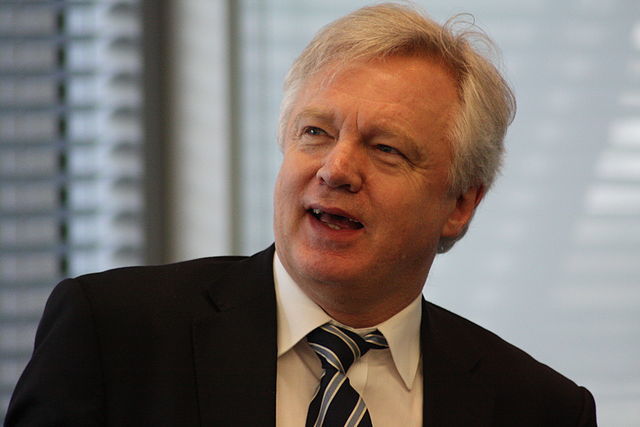
David Davis is among the ministers who resigned over Chequers. If the deal fails, would hard brexiteers take the upper hand?
Source: Wikimedia
But, how will the EU and the UK be able to carry out the Brexit? Will they be able to sign a deal or Great Britain will quit the EU without an official agreement? Will the UK leave the European Union with soft or hard Brexit? Which way is more beneficial to the UK and what consequences the EU and its member states have to face with?
Many similar questions emerge in connection with the UK leaving the EU, but obvious responses to these questions cannot be given at the moment. We only have assumptions about what will happen after the UK leaves the EU. It is explained by the fact that Brexit is a case without precedent. In the EU’s more than 60 years history no member state has ever wanted to leave the European integration. It is clear that Brexit will have serious impacts on the future – economic, political and trade – relations of the UK and the EU, on the existing treaties, and on 29 March 2019 the UK will be a third country outside the European Union.
What made the United Kingdom to quit the EU? The UK has always been a less constructive and less committed country compared to other member states. The UK has been the member of the EU for more than 40 years. During this time the country has realized the advantages and disadvantages of being a member state. After the referendum and the resignation of David Cameron, Theresa May was elected as Prime Minister of the United Kingdom who obviously voiced that the British citizens made their decision, and the government respect this decision and therefore the Brexit will be carried out.
There is one question that usually emerges when we talk about Brexit: will the Brexit be carried out in soft or hard way? What is the difference between the two expressions? What potentional consequences they might have? The hard Brexit agreement refers to that the UK after leaving the EU, would completely give up its access to the single market and the customs union. The agreement’s priority is to give back the control to the UK over its borders and to sign new trade agreements. It means that the UK would likely fall back on World Trade Organisation (WTO) rules for trade with the European Union.
The essence of soft Brexit is despite leaving the EU, they want to keep the relations with Brussels as close as possible. However, the UK will not stay the member of the EU, but it will still have access to the single market and the customs union. It means that the trade of goods and services with the EU member states would continue without imposing tariffs. But they would not have the right to determine the processes referring to the single market and the economic policy. The UK, as a member of the European Economic Area, would enjoy similar rights as Norway, Liechtenstein and Iceland. In return, the UK has to pay into the EU budget a certain amount of money every year and also has to respect the EU’s four fundamental freedom, the free movement of people, goods, capital and services.
On 6 July 2018, in Chequers Theresa May put forward the plan of the British government applying to the departure of the UK from the EU. The main purposes of the so called Chequers agreement are: the exit from the EU has to be carried out in a way to cause as little harm to the British economy as possible. May, since the beginning of the negotiations, has clearly emphasised that several times. Furthermore, creating a free trade area with the EU, that includes the trade of goods – industrial and agricultural products –, but does not incluede services. They would create a common rule book to operate this free trade area. It is an important aim to avoid of hard border on the Northern Ireland border. The issue of Northern Ireland get into the centre of attention because according to Chequers the UK and Northern Ireland too, will exit from the single market and the customs union. But, the EU offered a proposal, which says that despite Brexit Northern Ireland should temporarily stay in the customs union. It would mean that the trade between Ireland and Northern Ireland could be continued without border control. The British MP clearly rejected this offer as it would split the territorial integrity of the United Kingdom. Chequers says, the UK will leave the EU on 29 March 2019. They submit the principle of free movement, the UK takes back the right of border control again. They submit the payment into the EU budget and also exit from the Common Agricultural Policy and the Common Fishery Policy. They also submit the supremacy of the European Court of Justice in Great Britain.
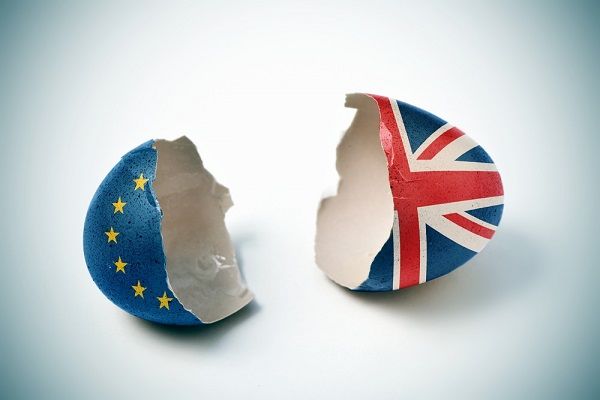
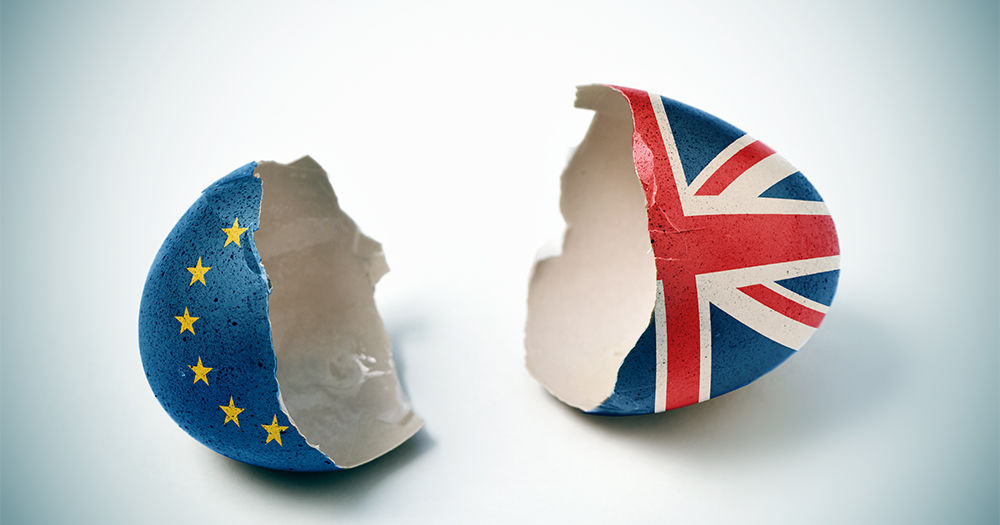
Is it Chequers or hard Brexit?
Source: Shutterstock
However, Brexit talks are moving forward very slow, and it has many reasons why. Brexit has significantly divided the British society, the political elite and the parties. It makes the situation worse that there is breakline, division and are very different opinions about Brexit in the ruling Conservative Party. The Prime Minister is in a difficult situation because at the same time she is trying to make her proposal acceptable in front of the EU, and keep the support of his party, the cabinet and the parliament, though she has to face with ongoing rejection at home. The Labour Party is neither united about Brexit. The Party leader, Jeremy Corbyn voted to Leave on the 2016 referendum, and the Labour Party MPs are also divided in 50-50% about Brexit. Though, the liberal democrats started a campaign with the aim of backstopping Brexit and saying „vote for an exit from Brexit”. They call for a new referendum about Brexit. Most parties are trying to emphasise that the main reason why Brexit should not happen is the probable economic consequences which will have a huge impact on the country. On the other hand, the EU does not make the situation easier as stating that it will strike such a deal that is beneficial for its memeber states and which ensures that its members have to face as less economic damages as possible. And they also said that the agreement will treat the defence and maintenance of the EU’s unity as priority.
On 19-20 September 2018, the informal summit of EU Heads of State and Government was held in Salzburg, which pointed out that there is no sign of approach between the two parties, the negotiations got stuck and are in deadlock. Theresa May, on the first day of the summit, declared they will not hold a second referendum. The PM also stated, they will carry the Brexit out and if they are not able to strike an official agreement with the European Union, then they are willing to leave without a deal. Theresa May insists to the Chequers proposal, she’s biggest aim was to reach the support of it in the EU too. On the other hand, she has to make it through the British Parliament, but it will not be an easy task to do because in the UK the majority is against the proposal. However, in Salzburg it became clearly visible that the European Union considers the agreement proposal unacceptable. Every time during the talks the EU emphasised the importance of preserving and defending the integrity of the single market. By accepting the British proposal this unity would split as the EU lets the UK stay the member of the single market in consideration of the trade of goods, but it would not apply to the trade of services. As a result, the four fundamental freedoms of the EU would be inevitably violated. The majority of EU representatives agreed to refuse the Chequers proposal. Donald Tusk, the President of the European Council said the Chequers has positive elements, but as the proposal for the future economic cooperation between the EU and the UK will not work.
As we already know the meaning and the difference betwen soft and hard Brexit we can make the conclusion that a so called in-between solution would be the most beneficial for the UK. However, the European Union in the first instance focusing on its own economic interests and to preserve the unity of the European integration. And it also makes the negotiation process more difficult. The Chequers, which does not enjoy the support of the domestic majority, was completely rejected by the EU, pointing out that there is no sign of approach or compromise between the two parties. Theresa May is trying to save the situation by emphasising on the summit that Chequers is so far the only viable proposal by which they can avoid the no-deal. According to the news, more and more British politicians are emphasising the possibility of a second referendum if the Chequers agreement will not be accepted. Jeremy Corbyn, the leader of the Labour Party stated that he will back his party’s will about a second referendum if Chequers is not accepted in the parliament. In a few months it will turn out how much possibility a second referendum has and if the EU and Great Britain is able to agree on the conditions of the departure of the UK from the EU.