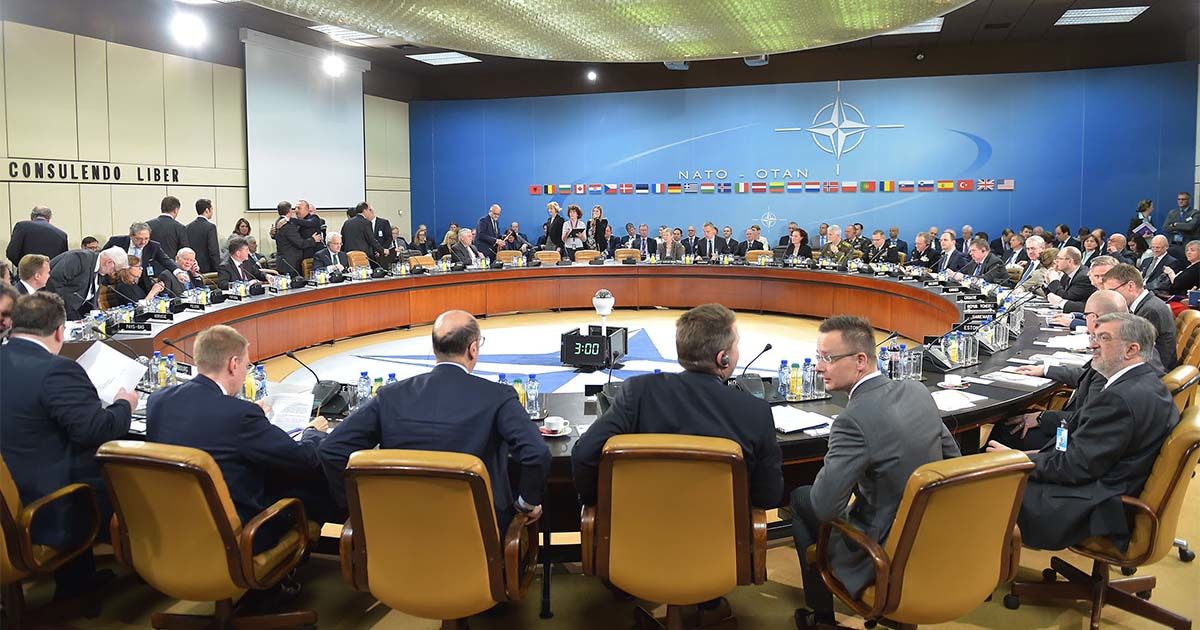
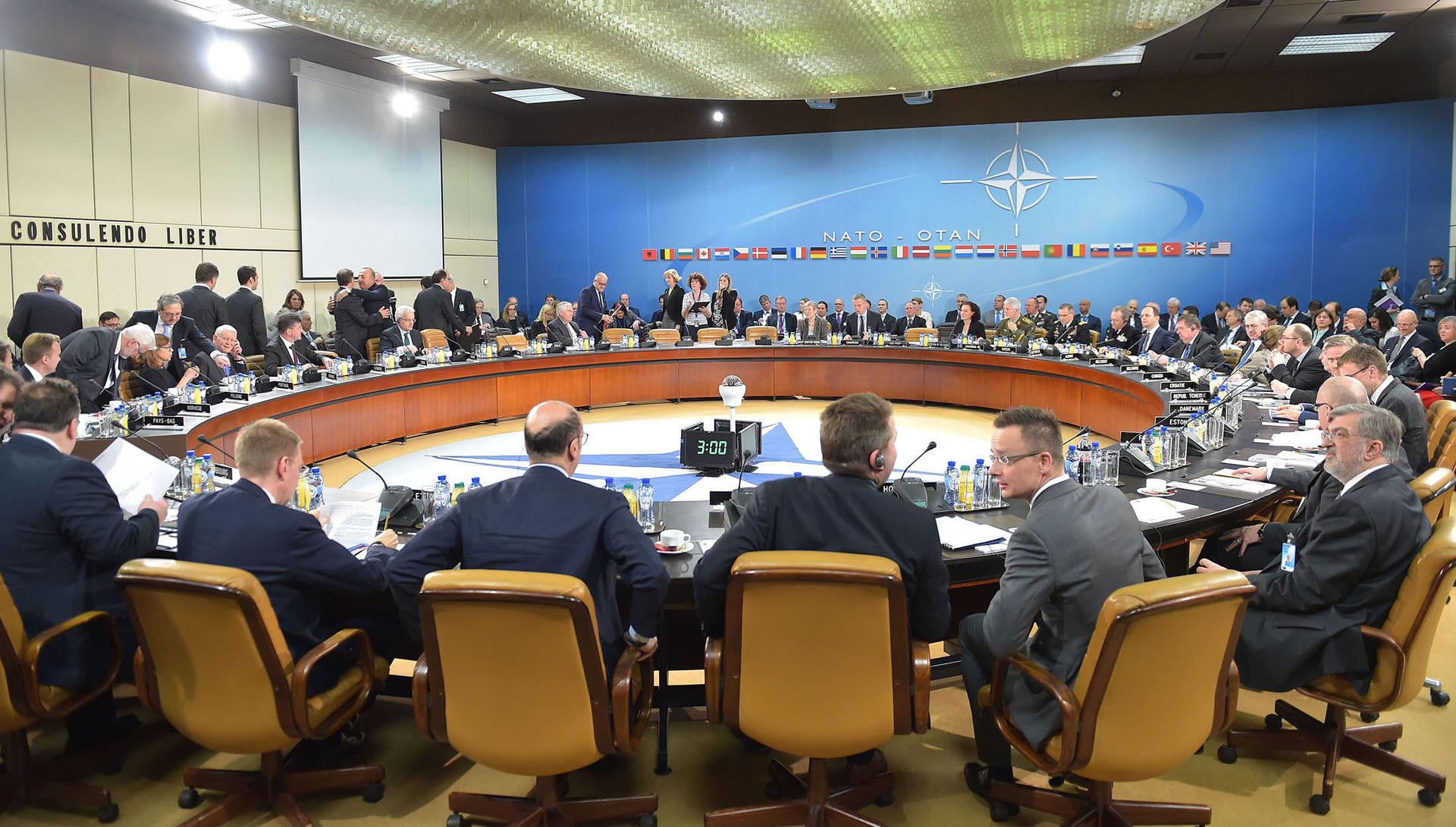
Choosing Warsaw as the location of the NATO Summit in June 2016 can be considered as a symbolic gesture towards the member states on the Eastern flank, a reassurance of commitment toward collective defence. While the previous NATO Summit in Wales in 2014 was expected to be one of the most lacklustre and foreseeable meeting of head of states, the Russian annexation of the Crimea changed every predictions in a minute. Almost everyone counted on the reducing role of the Alliance in the post-Afghanistan/Iraq era.
We should not forget that participation of NATO in the ISAF mission was uncertain in the first place – the Americans decided to use the NATO command system for operations only in 2013. On the one hand, considering NATO’s limited mandate, the operation can be understood as a success from a military perspective. On the other hand, a lot of questions remained politically unanswered, but this problem is outside of NATO’s scope.
After the era of extensive crisis management operations, the actuality and sometimes the mere existence of NATO was questioned and criticized, so to say it was considered as a dispersed toolbox or an old man’s lounge and not as the glorious military alliance which won the Cold War. From this perspective, the Ukrainian crisis gave an answer to these questions – paradoxically, Moscow helped the Atlantists to convince hesitant members of NATO about the importance of the Transatlantic Alliance. A huge demand developed to build a robust, rapid and ready alliance again and to increase the military budget spendings in order to deliver both at the Eastern and Southern flank.
The members strengthened their commitment about what they promised in Wales. The Enhanced Forward Presence (EFP) will be supported by the deployment of 4 battalions (4.000 troops) in Poland and in the Baltic states. The rotational presence though does not violate the 1997 NATO-Russia Act, because it does not imply the establishment of a permanent military base. Another important aspect of the summit was to extend the operational capacity of NATO to cyberspace. Regarding the Eastern flank, the heads of state promised the further development of the command structure, which means the establishment of NATO Force Integration Units (NFIU) so that to fasten the chain of command to be able to respond threats deriving from hybrid warfare. In order to handle the unexpected military threats, NATO created a Very High Readiness Joint Task Force, which is deployable in 2-7 days, and the size of which was enhanced to 15.000 personnel. For the seven framework nations which are responsible for the command structure of VJTF, NATO outlined a rotational plan in force until 2022. NATO Response Force was to be increased to 40.000 troops and the command HQ of NATO Ballistic Missile Defence has reached the operational status for the time of the summit. In order to handle the challenges rising in the Southern Flank, NATO took part in operations on the Aegean Sea and supports Turkey’s air policing with AWACS (Airborne Warning and Control System) surveillance capabilities and Patriot anti-aircraft systems. Furthermore, the member states decided to enhance cooperation with the European Union.
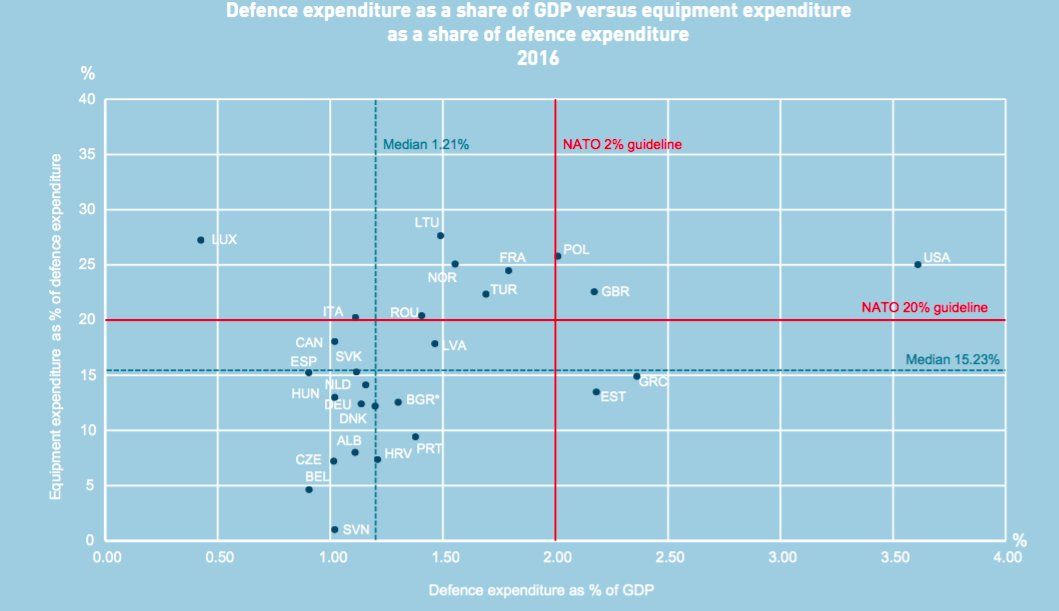
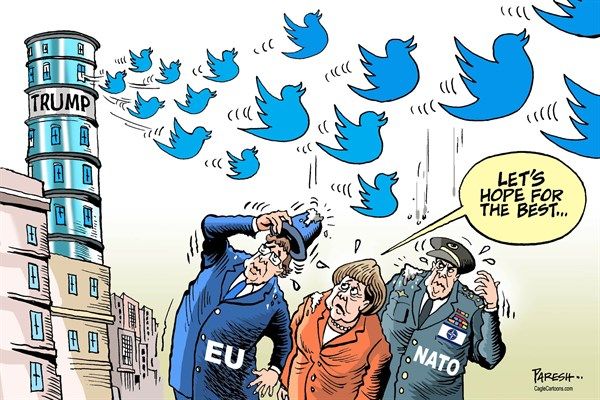
Regarding budgetary issues, NATO can still be conceived as a cooperation between the American Snow White and the 27 European Dwarfs, who pay for less than 25% of the overall costs combined. While the British, Estonians, Greeks and Poles reached the GDP 2% requirement in terms of their defence budget, most of the European members are underachievers. This comparison shows different results if we look at the costs of the political and institutional units of NATO, like the International Staff. Nevertheless, the United States as a superpower pursues global interests, so it needs to maintain global capabilities, while the core function of NATO is rather to provide collective defence than to be the guardian of the planet. It is also important to see that the main aim of the 2% requirement is mostly about projecting credibility and symbolic commitment. US leaders have recently expressed their concern in this regard several times, and have tried to encourage Europeans to spend more on their own defence. This idea, therefore, is not an invention of Donald Trump alone, but it is a fact that his rhetoric shows a shift towards a more aggressive way of communication.