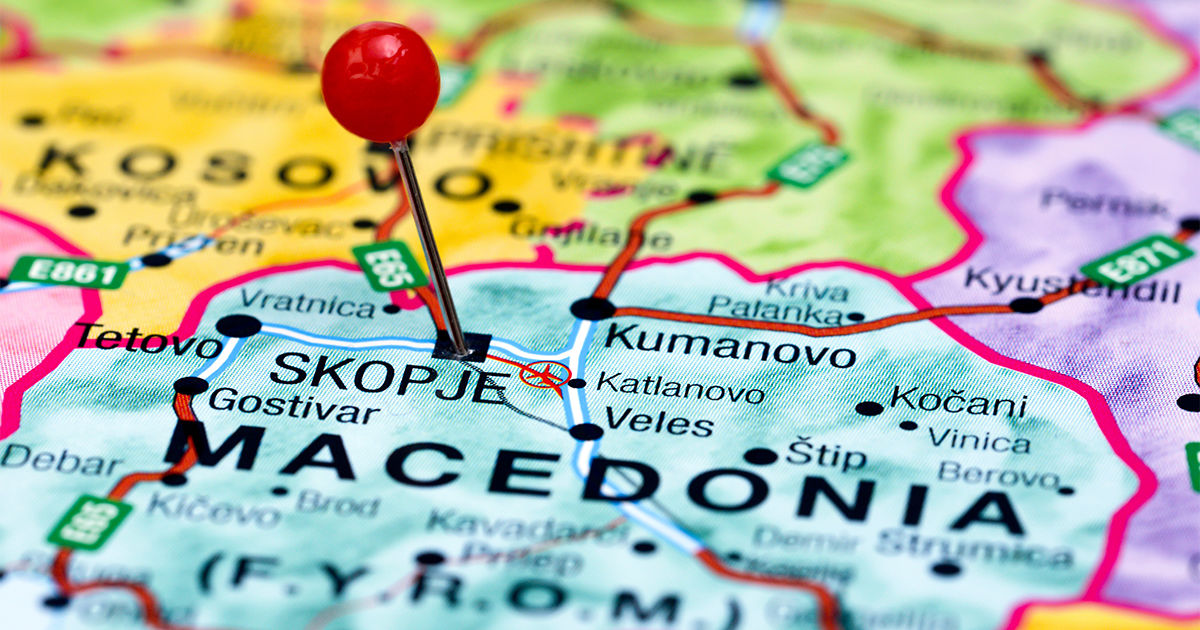
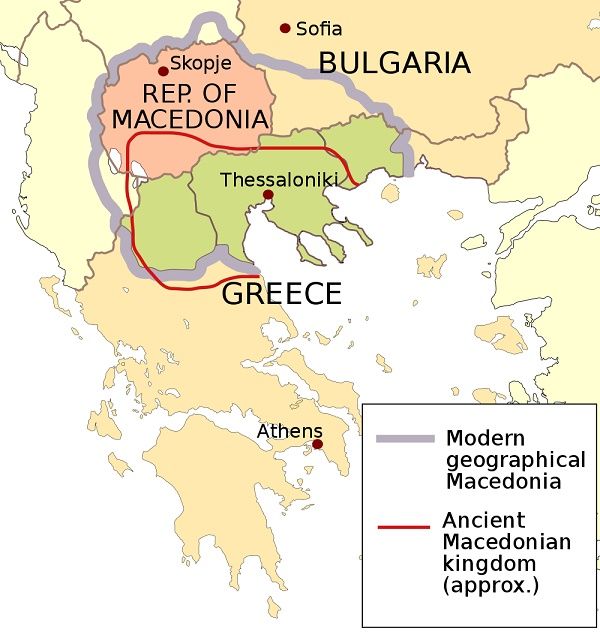
After proclaiming independence from Yugoslavia, the constitutional name of the country became Republic of Macedonia – recognised by over 120 countries worldwide (amongst them Hungary, United States, Britain, Russia, China). The former Yugoslav Republic of Macedonia (FYROM) is the name used by international organisations and states which do not recognise the constitutional name (such as Greece), and this is the provisional description under which it was admitted to the United Nations in 1993. The root causes for the Athens–Skopje name dispute is the question whether a state can take a name of a wider geographical area (Macedonia) if its territory includes only one part of it (the so called Vardar Macedonia). The Greeks stand by the viewpoint that it cannot, mainly because they are fearing of a potential territorial claims on their northern territories – the largest and second most populous Greek region which also wears the name Macedonia. Athens–Skopje has other issues all well – such as the ethnicity of Alexander the Great and the two parties common history and tradition which they try to separate – but the name issue is the main reason for which Greece is vetoing Macedonia’s NATO accession, as well as the countries EU accession process and the relationship between the two countries is in constant turbulence for almost 30 years. Extreme viewpoints are present on both sides – some wanting to exclude the word Macedonia entirely from the name of the country, whilst some do not want to accept any kind of name alterations – but one of the possible win-win solution is to incorporate a geographical qualifier in the name itself – such as North Macedonia. And that is what was reached by the parties on the historic name deal – the so called Prespa Agreement – which was reached in June 2018 between Macedonian and Greek Prime Ministers, Zoran Zaev and Alexis Tsipras. But the questions is still not entirely solved.
The (un)successful referendum and what is to be expected
In July the Macedonian parliament made a decision to hold a non-binding name-referendum (one that does not entail binding legal consequences), asking its citizens the following question: Are you in favour of European Union and NATO membership by accepting the agreement between the Republic of Macedonia and the Republic of Greece? The referendum was held 30 September, but only a third of eligible electors took part – although more than 90 per cent of them voted yes – failing to secure the 50 percent turnout required to make the referendum valid. The reasons for not crossing the threshold are presumed differently. Firstly, the voter list is 1.8 million which is – considering the fact that the last census in the country was held in 2002 – questionable. According to some reports the Macedonian diaspora is much larger then thought, while voting abroad was possible only for those who registered during August and were able to travel to one of the embassies or consulates. Secondly, there was a strong anti-referendum presence on the internet: with the usage of the hashtag #Бојкотирам (boycott), opponents of the deal have called for a boycott of the referendum through different social media platforms. Even Macedonian president Gjorge Ivanov, who is from the VMRO-DPMNE opposition party, has called on the public to boycott the voting. Furthermore some suggesting that there was also a Russian interference in undermining the referendum, disabling the country’s road towards NATO and the EU.
Nevertheless, Prime Minister Zoran Zaev is determined to persuade the opposition to back the name change in the parliament, no later than 10 October. To move forward with the name-change, Macedonian parliament must vote in favour, with a two-thirds majority. Hence, if this does not happen, the only way to secure the name change in the parliament would be through early elections. The final step in the process is for it to be ratified by the Greek parliament – preferably before the beginning of their own electoral session for the Greek legislative election in 2019 October.