More than Just Monkeys
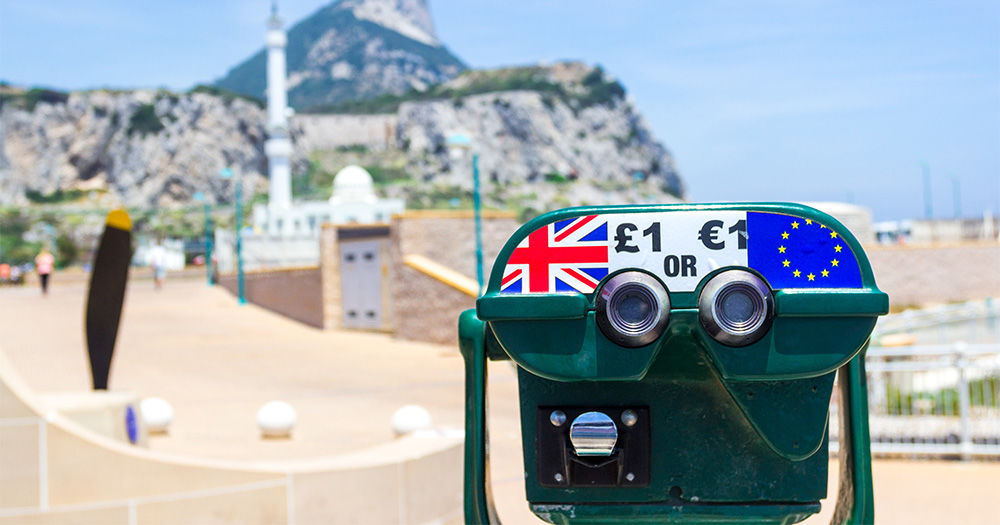
Gibraltar, which is a small area on the Iberian Peninsula at the southern end of Spain, came under British rule after the War of Spanish Succession (1701–1714), when the king of Spain died without an heir. With no one to succeed him, war broke out, with all European leaders supporting their preferred candidate. In 1713, in the Treaty of Utrecht, the French Philip V was confirmed as king, and other European countries were given some Spanish territories as compensation. Britain received Gibraltar, and it has been a British Overseas Territory ever since, with the Queen as head of state and its own elected parliament of 17 representatives.
But why are the monkeys important? The Rock is famous for its Barbary Macaques – the over 200 living there are thought to be the only wild monkeys in Europe. Furthermore, there is a legend which says that British rule over Gibraltar will only end when the macaques no longer populate the Rock.
However, not everyone is patient enough to wait for the monkeys to leave. Gibraltar has long been a point of contention between Spain and Britain. There have been two referendums, one in 1967 about choosing which of the two countries Gibraltar should belong to, and one in 2002 about a possible shared sovereignty between the two countries. In both cases, the people overwhelmingly voted for Britain. Since then, things have been relatively quiet on both fronts. Then came Brexit.
Stuck Between Spain and Britain
The Rock benefits from a large number of tourists from Spain and draws in supplies and labourers from nearby countries (mainly Spain and Portugal). The strongest sector in the economy is that of services; the most important branches are shipping, tourism, and finance. All of them are dependent on the cooperation with other EU Member States. Therefore, leaving the EU – and the single market thereof – could seriously hinder economic growth. Some are even afraid that Spain could shut down the border, like General Franco did in 1969. (This blockade only ended in 1985.)
However, the Rock also has strong ties to Britain. It has been argued that the local economy thrives only because of its institutional separation from Spain. It holds strategic value as it sits at the intersection between shipping lanes in the Atlantic and the Mediterranean. Moreover, Gibraltar has an important UK naval base.
Brexit and Thereafter
In 2016, Gibraltar voted with an overwhelming majority of 96% to remain in the European Union. Shortly afterwards, Gibraltar’s Chief Minister Fabian Picardo started discussing the possible ways of staying in the EU with Scottish First Minister Nicola Sturgeon. Picardo said that they are looking into alternative models – such as the ones that Lichtenstein and Andorra enjoy – and the possibility of continued access to the single market.
The Brexit white paper published by the British Government did not mention the issue of Gibraltar specifically. However, the Guidelines published by the European Council stated that “no agreement between the EU and the United Kingdom may apply to the territory of Gibraltar without the agreement between the Kingdom of Spain and the United Kingdom.” This effectively gives Spain veto power regarding any deal which affects Gibraltar. This single sentence caused outrage among British citizens and officials, who were quick to point out that the status of Gibraltar was not up for discussion, lending the initial phase of Brexit negotiations a tense atmosphere.