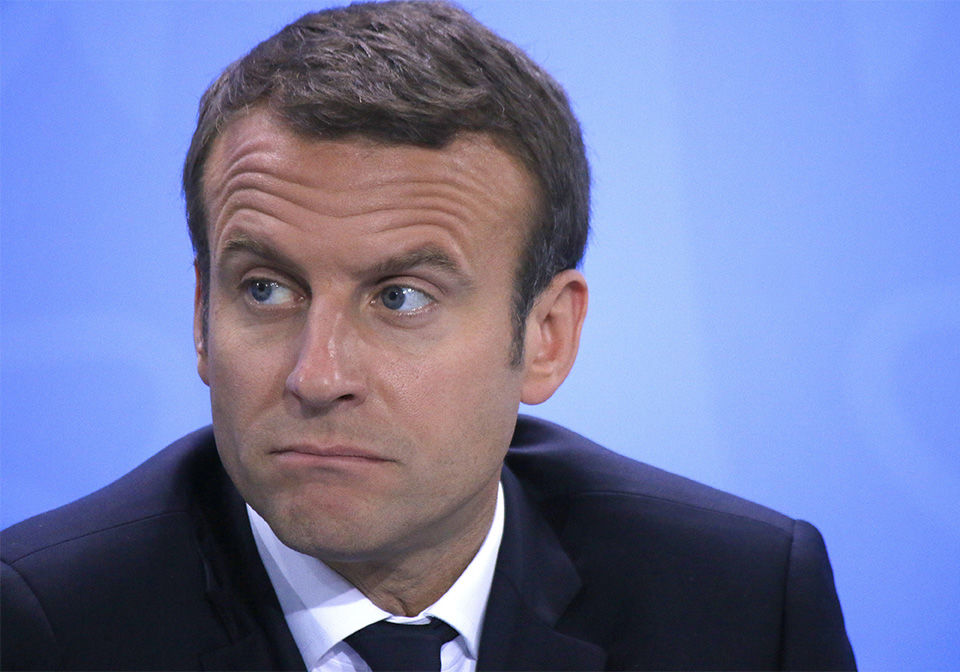
The most important event before the National Assembly elections was Macron’s message on Facebook, published in English (much to many people’s surprise), after Donald Trump’s decision on withdrawing from the Paris Climate Agreement. Then, on 18 June, after the second round of the National Assembly elections, it became apparent that Macron’s post had not scared his voters away, and his party, La République en Marche ! (“Forward!”) gained 308 seats—around one third of all seats—in parliament, thus fundamentally changing the French political landscape. (You can read more on the French elections here.)
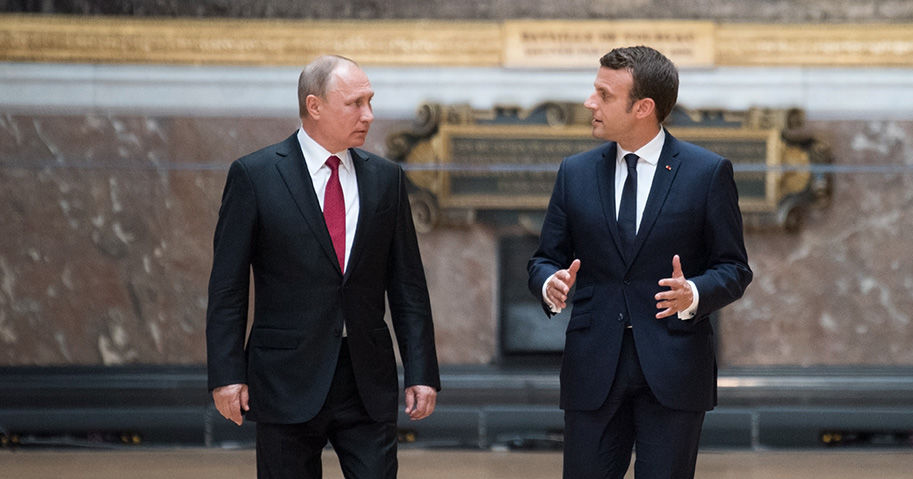
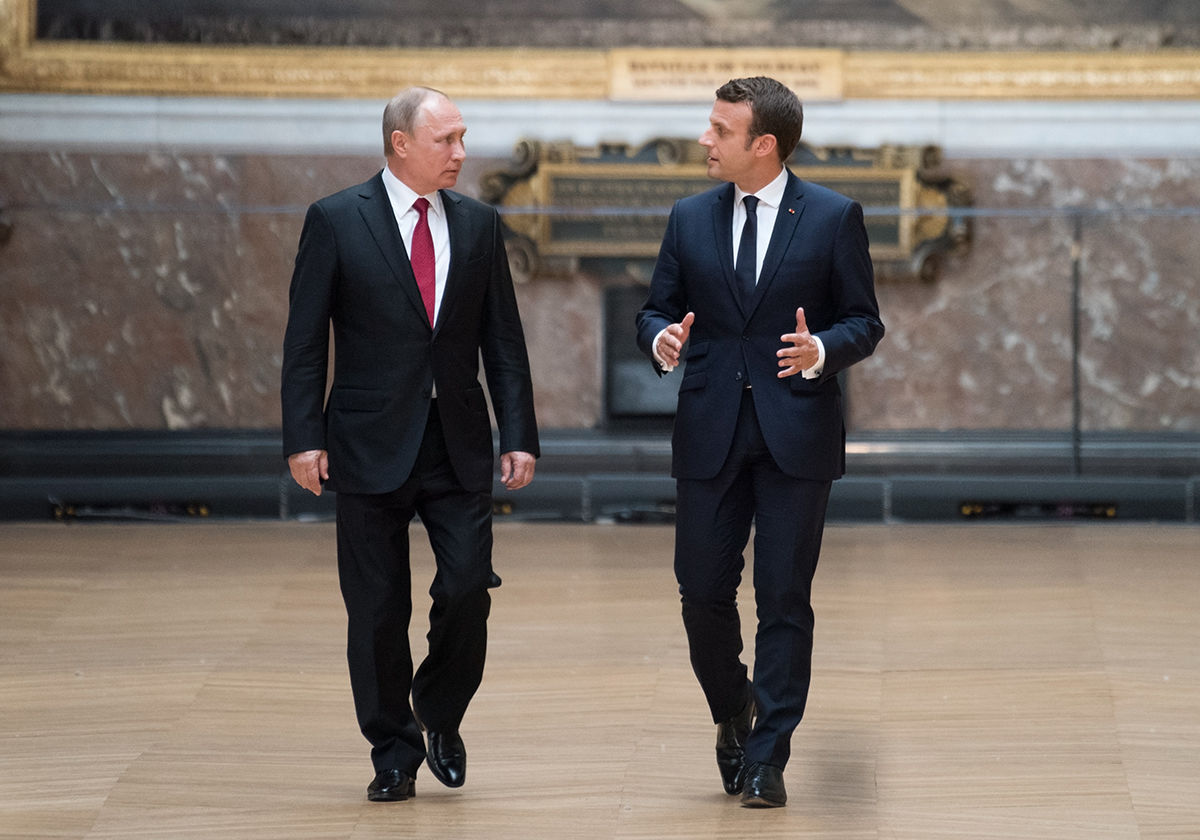
Not long after the triumph of his party, Emmanuel Macron took part in his first EU summit, where the journalists jostled to have a chance to pose a question to the president. Since Brexit and the Greek crisis, no such thing had occurred, but now came a new actor, who is apparently fighting for the future of Europe along with Germany. Afterwards, at the G20 summit, probably the most memorable moment was when Macron, right before the joint photo op, zigzagged his way to the front row, right beside Trump, and thus ended up in the first row and with a few moments to talk to the American president right after. He also had time to do the same in Paris, on 14 July, during the most important French national holiday, the Bastille Day celebrations, which Trump and his wife attended. The military parade there was so much to Trump’s liking that now he is planning to have a similar one on their own national holiday next year. All in all, Macron seriously strives not to be regarded as his predecessor, François Hollande, who had severe deficiencies when it came to acting on the international stage.
Internal Political Conflicts
On the very day when Emmanuel Macron visited the German Chancellor, the former mayor of Le Havre in Normandy, Édouard Philippe, was appointed prime minister. The politician from the party Les Républicains (“The Republicans”) was a surprise choice according to many, considering his allegedly strong-willed character: he, his ministers, and the pro-president representatives are supposed to back up the president’s activity loudly and as frequently as possible. One of Macron’s most remarkable deeds was his James Bond-esque stunt, when he descended from a helicopter to the submarine Le Terrible in order to meet the crew and take part in a simulation exercise. Not long after, tensions arose between the president and his chief of the defence staff, Pierre de Villiers. The governmental cuts also affect defence spending, and, although its budget remains unchanged, the defence department will have to find the funding for future foreign interventions on its own. To the outrage of the chief of staff, the president’s reaction was blunt: If the chief of staff cannot agree, he must leave. Thus, although standing next to Macron during the Bastille Day celebrations, de Villiers decided to resign four days later.
The first one hundred days were replete with oddities, too. The most bizarre of them was the huge amount of money spent on makeup. The presidential aides claimed that the bill had amounted to 26 000 euros only because makeup artist had had to travel with the president and sometimes showed up on short notice. They also promised that the bill will be lower in the future and added that even this 26 000 euro is lower than the former presidents’ budget for makeup and hairdressers. (Of course, we are only talking about men’s makeup now.)
On the hundredth day, Macron’s approval rating was 36% according to the polls, as opposed to American president, Donald Trump’s 39% after the events in Charlottesville. At this point, it is important to note, however, that Emmanuel Macron had won against Marine Le Pen and the voters who only wanted to cast their ballot against the leader of the National Front quickly abandoned him. In addition, his most important reforms will unfold in the long term, and 3-4 months are definitely not enough to see their results. Macron tactically scheduled his most unpopular promise, the reform of the labour market, for the beginning of his presidency, as the next campaign is still far away, and his acts are expected to bear fruit by then anyway. Lastly, Macron’s presidency started with high hopes and expectations, which he never actively softened or moderated. His low profile and sparse public speeches are definitely not helping his case either.