Kategória: Research Blog
Forrás: https://digitalistudastar.ajtk.hu/en/research-blog/brexit-but-why-does-it-hurt-in-hungary-as-well
Brexit
But Why Does It Hurt in Hungary As Well?
Szerző: Bocskor Kitti,
Megjelenés: 12/2017
Reading time: 12 minutes
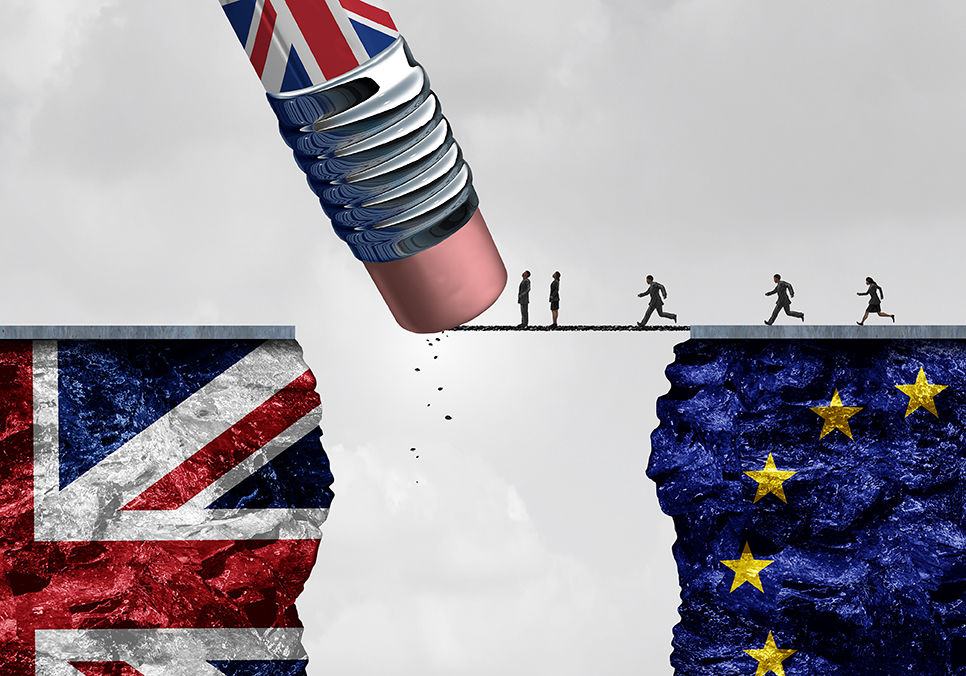
Through the employees working in the UK, Brexit could affect the economy of several EU countries
Source: Shutterstock
But Why Hungary Especially?
In 2004, only three countries decided upon opening their borders completely to the new member states: Sweden, Ireland and the United Kingdom. Originally, almost all of the countries were on the same course of action, but they decided last-minute upon a seven-year transition period. The UK did not change its decision and, because of that, they ended up with a lot more immigrants than they originally calculated. About 200,000 people entered the UK in two years, most from the former Eastern bloc – including Hungary. They originally estimated about 5-13 thousands. They learned their lesson and imposed the seven-year transition period in 2007 for Romania and Bulgaria.
So, if we look at migration inside the EU, most immigrants in the UK came from those countries who joined the European integration in 2004. This explains the high level of Hungarians, Poles and Czechs in the country, and why Brexit is especially important for these nations.
According to Eurostat (2016), about 100,000 Hungarians live in Great-Britain, not counting the students and the seasonal workers. Most of them are employed in wholesale and retail trade, hotels and restaurants, or in the manufacturing sector. Most of the time, we focus on the negative effects of migration from Hungary to Western Europe, and we forget that those people contribute significantly to the Hungarian economy as well. For example, they regularly send money home, probably to their families.
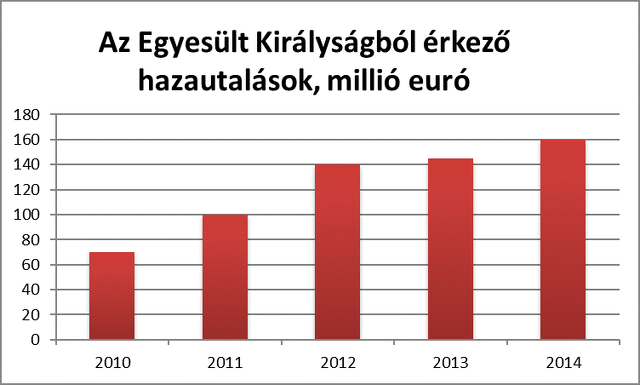
Source: ksh.hu, author: Kitti Bocskor, license: CC BY-NC-ND 2.0
About third of the Hungarian remittances comes from Britain. Looking at the diagram, we can see that the amount of remittance grew since the financial crisis in 2008, although it slowed down in the last few years. However, this does not mean that less people leave Hungary. Quite the opposite, now it is not just single persons but entire families who leave and, consequently, there is no need to send money home.
How will Brexit affect migration from Hungary to the UK and the Hungarians living in the UK? As most of the people working in Britain are employed in jobs where human capital is always needed, they are not likely to suddenly lose their jobs. Nevertheless, they might suffer the anti-immigration atmosphere that accompanied the Leave campaign. Also, there are talks about the British Government introducing a stricter immigration policy after Brexit, which would maximise the number of people entering the country yearly.
Due to the uncertainty, less people from Hungary might choose the UK as their destination, but it does not mean they will not leave. They will just end up in a different EU member state, and will still send back money to their families. So, while Brexit may change the trend of migration from Hungary, it will not affect its volume.
As we can see, it would be a good idea for everyone to follow the Brexit negotiations, since they will affect us more than we think.
Opening pic: Shutterstock