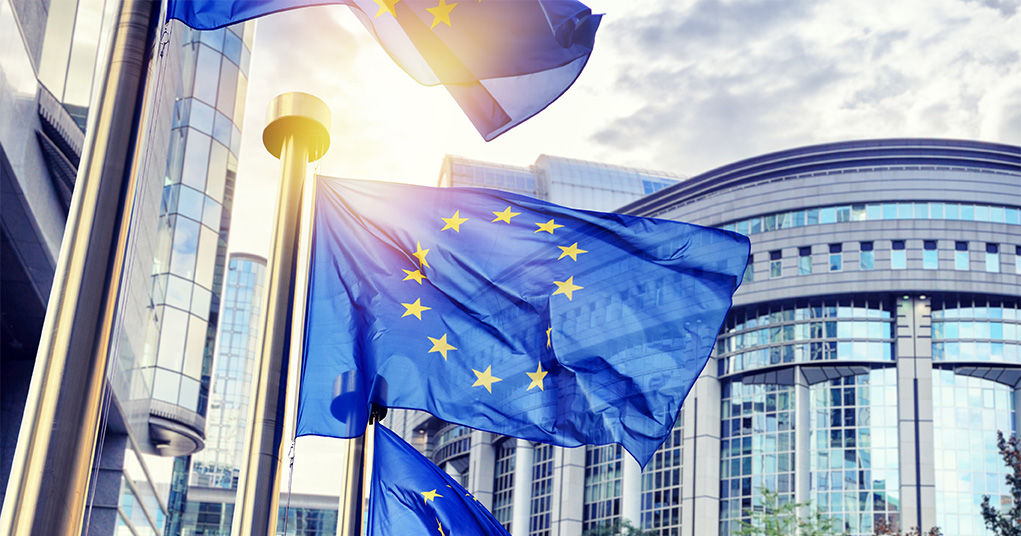
The European Union (EU) remains one of the most ambitious political projects of world history. It created and aims to maintain an “ever closer union” of European nations, warring over centuries, creating peace and prosperity on the continent and beyond. The internal challenges are manifold, yet the integration process furthermore also needs to carve out its own place, assert its values and interests in an ever more competitive global order. As a union of 27 member states it is not an easy task to analyse the potential scenarios of the EU’s future development, as governments change almost on a monthly basis, not to mention the complex, even Byzantine structure of European institutions. It is therefore with great interest that experts watch the State of the Union Addresses of European Commission Presidents, as they outline their vision for the EU. These visions are of course not the sole intellectual property of one President. They are integrated ideas from the inputs of different EU institutions and member states, put into a framework waved by the possibilities and the limitations of intra-EU capabilities and the external environment.